Distal radius fracture surgery marks the beginning of your recovery journey, not the end. The rehabilitation process directly determines your wrist’s final function, range of motion, and strength. Most patients regain functional use within 3-6 months following structured rehabilitation, though complete recovery may extend to 12 months for complex fractures.
Your surgical fixation method—whether plate and screws, external fixation, or percutaneous pinning—influences your rehabilitation timeline. Internal fixation typically allows earlier mobilisation compared to external fixation, which requires 6-8 weeks before device removal. The rehabilitation protocol adapts to your specific surgical approach, fracture pattern, and healing progress, monitored through regular X-rays.
Immediate Post-Operative Phase (Weeks 0-2)
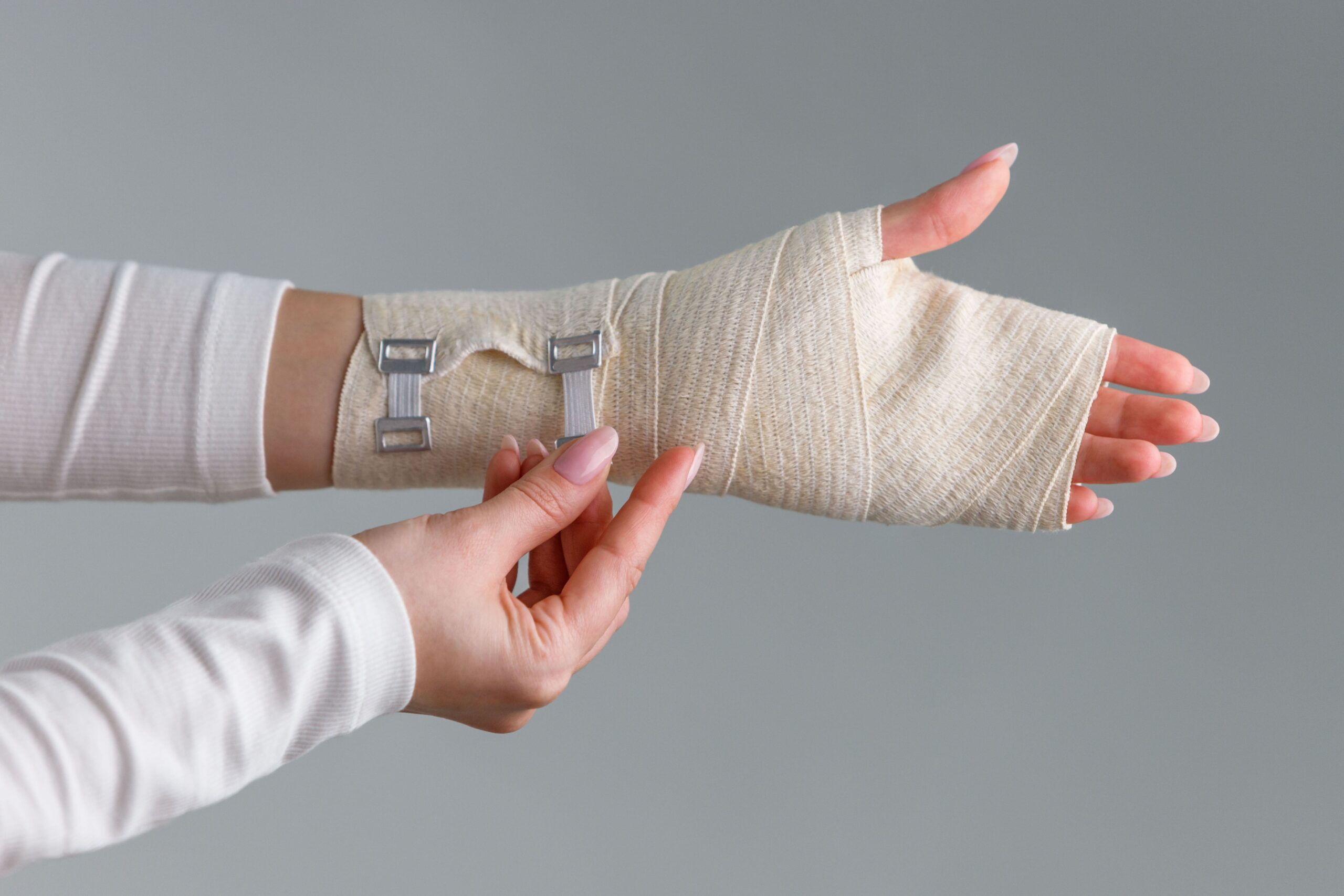
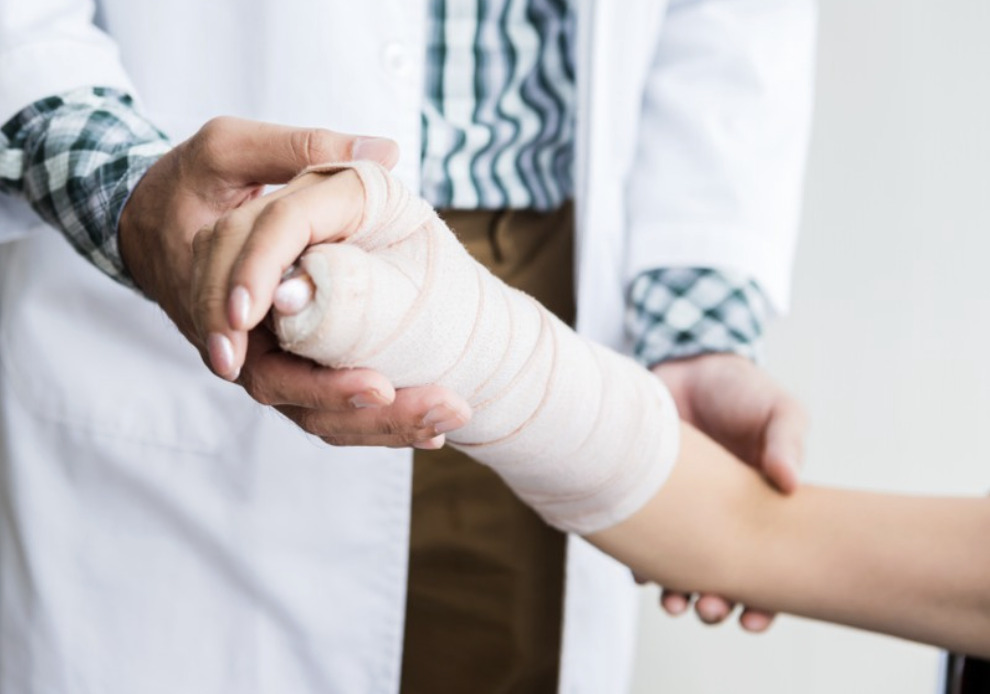
The first two weeks focus on controlling swelling and maintaining mobility in unaffected joints. Your operated wrist remains immobilised in a splint or cast positioned at 20-30 degrees of extension. This position minimises tension on healing tissues while preventing stiffness.
Elevation forms the cornerstone of early swelling management. Position your hand above heart level using pillows when lying down, and support your elbow on armrests when sitting. Ice application for 15-20 minutes every 2-3 hours reduces inflammation, though never apply ice directly to skin or surgical dressings.
Finger exercises begin immediately after surgery unless specifically contraindicated. Make a full fist, then extend fingers completely, performing 10 repetitions every hour while awake. Include thumb opposition exercises by touching your thumb to each fingertip sequentially. These movements prevent tendon adhesions and maintain muscle activation patterns.
Shoulder and elbow exercises prevent proximal joint stiffness. Perform shoulder rolls, arm pendulum swings, and elbow flexion-extension 10 times, three times daily. Active finger movements pump fluid away from your hand, reducing swelling more effectively than passive elevation alone.
Pain management typically involves prescribed analgesics for 3-5 days, transitioning to paracetamol as needed. Pain levels above 6/10 or sudden increases warrant immediate medical review, as these may indicate complications like compartment syndrome or infection.
Early Mobilisation Phase (Weeks 2-6)
Cast removal timing depends on fracture stability and healing progression. Internal fixation patients may transition to a removable splint at 2-3 weeks, while those with external fixation continue with the frame until 6-8 weeks post-surgery.
Once cleared for movement, gentle active range-of-motion exercises begin. Wrist flexion and extension start with gravity-eliminated positions—rest your forearm on a table with your wrist at the edge. Lower your hand slowly into flexion, then raise it into extension, staying within pain-free ranges. Initial movement arcs gradually increase as tissues adapt.
Radial and ulnar deviation exercises follow similar principles. Support your forearm vertically with your thumb pointing upward. Move your wrist side-to-side like a windshield wiper, maintaining neutral rotation. Perform 10 repetitions, 3-4 times daily.
Pronation and supination exercises restore rotational movement. Hold a lightweight object like a pencil or wooden spoon. Rotate your palm up and down while keeping your elbow tucked against your side. This isolation ensures movement occurs at the forearm rather than compensating through the shoulder.
Tendon gliding exercises prevent adhesions between healing fracture sites and surrounding soft tissues. Start in a straight fist position with fingers extended. Progress through hook fist (fingers bent at the middle joints), full fist, and straight fist again. Each position holds for 5 seconds, completing 10 cycles per session.
Scar management begins once incisions heal completely, typically at 2-3 weeks. Gentle circular massage with vitamin E oil or silicone gel reduces adhesions and improves scar pliability. Apply firm pressure that blanches the scar without causing pain, massaging for 5 minutes twice daily.
Strengthening Phase (Weeks 6-12)
Progressive loading stimulates bone remodelling and rebuilds muscle strength. Isometric exercises provide resistance without joint movement, suitable for early strengthening. Press your palm against a wall or table, holding for 5 seconds. Begin with light pressure, gradually increasing force as tolerated.
Therapy putty exercises offer graded resistance training. Start with soft putty, squeezing and releasing for 5-minute sessions. Progress through medium and firm resistance levels as grip strength improves. Pinching putty between thumb and fingers targets intrinsic hand muscles often weakened after immobilisation.
Wrist curl exercises using 0.5-1kg weights rebuild flexor and extensor strength. Support your forearm on a table with your wrist hanging over the edge. Lift the weight into extension, hold for 2 seconds, then lower slowly. Reverse the position for flexion exercises—complete 15 repetitions, increasing weight by 0.5kg increments weekly.
Grip strengthening progresses from soft stress balls to hand grippers. Squeeze and hold for 5 seconds, performing 20 repetitions. Your uninjured side provides a relevant comparison for measuring progress.
Proprioception exercises restore position sense, often disrupted after a fracture. Balance a small ball on the back of your hand while moving your wrist slowly. Write alphabet letters in the air using your index finger, focusing on controlled movements. These exercises activate small stabilising muscles and improve neuromuscular control.
Return to Function Phase (Weeks 12+)
Functional exercises simulate daily activities and occupational demands—practice turning doorknobs, opening jars, and using utensils with progressive resistance. Computer work requires specific attention to ergonomics—maintain neutral wrist position with keyboard and mouse at elbow height.
Sport-specific rehabilitation begins once adequate strength is achieved compared to the uninjured side. Racquet sports require progressive ball-bouncing exercises before attempting swings. Weight-bearing activities like push-ups start from wall push-ups, progressing to incline, then floor positions over several weeks.
Load tolerance builds gradually through weight-bearing exercises. Begin with weight shifts on hands and knees, progressing to partial push-ups. Full push-ups or plank positions typically become possible several months post-surgery, depending on fracture complexity and healing rate.
Managing Complications and Setbacks
Persistent stiffness affects many patients despite appropriate therapy. Dynamic splinting or static progressive splinting may help if the range of motion plateaus after 12 weeks. These devices apply low-load, prolonged stretch to contracted tissues, worn for 30-60 minutes several times daily.
Complex regional pain syndrome presents as disproportionate pain, swelling, colour changes, and temperature differences between hands. Early recognition and pain management protocols can help prevent progression. Mirror therapy, where you perform exercises while watching your uninjured hand in a mirror, helps reprogram pain responses.
Tendon irritation from plates or screws causes catching sensations or crepitus with movement. Modification of exercises to avoid provocative positions provides temporary relief, though hardware removal may become necessary if symptoms persist beyond 12 months.
Malunion resulting in visible deformity or functional limitation may require corrective osteotomy. Regular X-ray monitoring during the first 8 weeks identifies alignment issues before complete healing occurs, allowing earlier intervention if needed.
What Our Hand Specialist Says
Recovery trajectories vary significantly based on fracture pattern, patient age, and associated injuries. Intra-articular fractures involving the joint surface require more cautious progression compared to extra-articular patterns. Older patients often experience slower recovery of grip strength, though functional outcomes remain favourable with consistent rehabilitation.
The balance between protection and mobilisation shifts throughout recovery. Early movement prevents stiffness, but excessive force disrupts healing. Patient compliance with home exercises determines outcomes more than supervised therapy frequency. Those performing exercises multiple times daily consistently achieve a better range of motion than patients relying solely on weekly therapy sessions.
Putting This Into Practice
- Create a structured daily exercise schedule, blocking specific times for your rehabilitation routine. Morning sessions, when tissues are stiff, benefit from gentle range-of-motion work, while afternoon sessions accommodate strengthening exercises.
- Set up a dedicated exercise area with your therapy putty, weights, and resistance bands easily accessible. Visual reminders increase compliance—place exercise sheets where you’ll see them frequently.
- Track progress using measurable outcomes: degrees of wrist motion using a goniometer app, grip strength, and functional milestones like returning to specific activities. Weekly measurements provide objective feedback and motivation.
- Modify daily activities to protect healing tissues while maintaining independence. Use built-up handles on utensils, ergonomic keyboards, and jar openers to reduce stress while performing necessary tasks.
- Coordinate rehabilitation timing with pain medication if needed, taking analgesics before exercise sessions to optimise participation without masking important warning signals.
When to Seek Professional Help
- Sudden increase in pain or swelling after initial improvement
- Numbness or tingling in fingers that persists or worsens
- Inability to move fingers that previously moved well
- Fever above 38°C with wound redness or discharge
- Visible deformity or feeling of bones shifting
- Pain is preventing sleep despite medication
- Plateau in progress lasting more than 3 weeks
- Clicking or catching sensations with movement
Commonly Asked Questions
When can I drive after distal radius fracture surgery?
Driving requires sufficient grip strength, wrist mobility, and reaction time. Most patients resume driving once out of the cast and able to turn the steering wheel comfortably. Your surgeon provides specific clearance based on your fracture pattern and recovery progress.
Will I regain full wrist movement?
Most patients achieve a functional range of motion sufficient for daily activities. Full anatomical motion may not return, particularly with intra-articular fractures. Consistent rehabilitation maximises your potential recovery regardless of fracture type.
How long before I can return to sports?
Low-impact activities like swimming or cycling typically resume at 3 months. Contact sports and activities with fall risk require 4-6 months minimum, pending radiographic healing and functional testing. Sport-specific rehabilitation bridges the gap between basic function and athletic performance.
Should exercises hurt?
Mild discomfort during stretching is acceptable, but sharp pain indicates excessive force. The “stretch but don’t strain” principle guides exercise intensity. Post-exercise soreness lasting more than 2 hours suggests reducing intensity or repetitions.
Why does my wrist still swell months after surgery?
Intermittent swelling commonly persists months post-surgery, particularly after increased activity. This reflects ongoing tissue remodelling rather than new injury. Compression garments, elevation after activity, and gradual loading progression minimise persistent oedema.

Don't Let Hand Pain Affect Your Life
Restore Function and Improve Your Quality of Life
Our clinic provides a comprehensive, one-stop service for diagnosis and treatment.
Make An EnquiryNext Steps
Start with immediate post-operative exercises even while immobilised. Consistent daily progression through each rehabilitation phase determines your final functional outcome. Track your range of motion and grip strength weekly to monitor improvement.
If you are experiencing persistent wrist pain, stiffness, or reduced grip strength after distal radius fracture surgery, schedule a consultation with a hand specialist to optimise your rehabilitation approach.