
Acute muscle strains of the hand and wrist are one type of injury for which PRP has been used. PRP contains concentrated growth factors that are thought to support the body’s natural repair process. Individual responses vary.
Injections for Hand and Wrist Injuries in Singapore

Dr Jacqueline Tan
MBBS (SG) | MRCS (Edin) | MMed (Surgery) | FAMS (Hand Surgery)
When considering non-surgical options for hand and wrist injuries in Singapore, platelet-rich plasma (PRP) therapy may be discussed as part of a tailored management plan. PRP is a procedure in which concentrated platelets from a person’s own blood are prepared and injected into the treatment area. This page explains what PRP is and how the procedure works. Whether it is suitable for a particular hand or wrist injury is a decision for a doctor after a clinical assessment.
Indications and Benefits of PRP Therapy
PRP has been used for a limited range of acute injuries. A doctor will determine during consultation whether it is relevant to a specific condition.
Acute Muscle and Tendon Injuries
Ligament Sprains
Acute partial ligament injuries, such as certain wrist ligament sprains, are another type of injury for which PRP has been used. Individual responses vary, and PRP is not a substitute for appropriate rehabilitation.
Non-Surgical Treatment Option
PRP injection involves no incisions. Recovery needs and outcomes vary between individuals and depend on the injury being treated.
Preparing for the Procedure
Medical Assessment
A thorough medical evaluation helps confirm the patient’s suitability for PRP therapy. This includes a detailed history of the hand or wrist condition, as well as any previous treatments or surgeries. Blood tests may be conducted to check platelet levels and overall health.
Medication Adjustments
Certain medications, such as anti-inflammatory drugs or blood thinners, may need to be temporarily discontinued before the procedure, as these can interfere with platelet function.
Pre-Treatment Guidelines
Patients are generally advised to stay hydrated and avoid alcohol or smoking for at least 24 hours before the procedure, as this may help support platelet quality.
Step-by-Step PRP Procedure
Blood Collection
A small amount of blood is drawn from the patient, typically from a vein in the arm, using sterile technique. This step takes only a few minutes.
Centrifugation
The collected blood is placed in a centrifuge to separate its components. This process concentrates the platelets and growth factors in the plasma, creating the PRP solution.
Injection Preparation
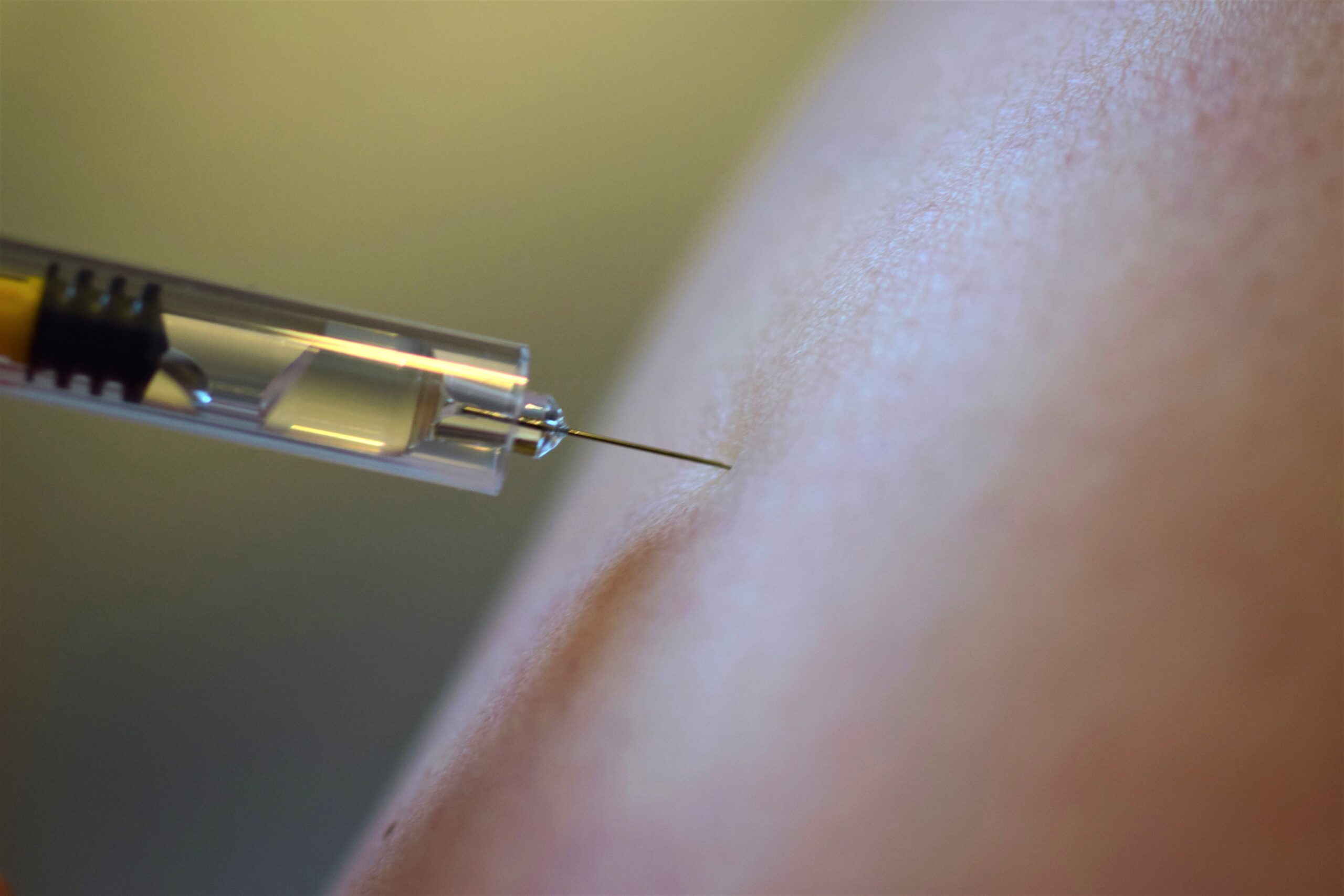
The prepared PRP is loaded into a syringe for administration. If necessary, a local anaesthetic is applied to the treatment area to help minimise discomfort during the injection.
Guided Injection
The PRP solution is injected into the targeted area, such as a muscle or ligament. Ultrasound or other imaging guidance may be used to help support accurate delivery to the intended site.
Are Your Symptoms Affecting Your Quality
of Life?
If you have a hand or wrist injury, a hand specialist can assess your condition and discuss the treatment options that may be appropriate for you.

Post-Treatment Care and Recovery
Immediate Care
Patients may experience mild swelling, discomfort, or bruising at the injection site. Applying ice packs may help reduce these symptoms. Pain relief medication, if needed, should be limited to options approved by your healthcare provider to avoid interfering with the treatment’s intended effects.
Recovery Process
Physical activity involving the treated hand or wrist is generally limited for a few days as advised by your doctor. Some patients notice gradual improvements, including reduced pain and increased mobility, within a few weeks, though the full course of recovery may take longer and varies between individuals.
Follow-Up
Regular follow-up visits help assess your response to treatment, monitor progress, and determine whether any additional PRP sessions may be appropriate.
Potential Risks and Complications
While PRP therapy is generally well tolerated, potential risks include temporary swelling, bruising, or discomfort at the injection site. Rare complications, such as infection or irritation, may occur. Appropriate procedural technique and patient assessment help manage these risks.
Frequently Asked Questions
How soon can results be expected?
Some patients notice initial improvement within a few weeks, with continued changes possible over the following months as tissue healing progresses; individual results vary.
Is PRP suitable for all conditions?
PRP has been used for select acute muscle and ligament injuries. It is not recommended for individuals with platelet disorders, active infections, or poorly controlled chronic illnesses. A doctor will assess whether it is appropriate for a specific condition.
How many PRP sessions are required?
The number of sessions varies depending on the injury being treated and the individual’s response to therapy. A small number of sessions, spaced several weeks apart, may be recommended, as determined by your doctor.

Dr Jacqueline Tan
MBBS (SG)
MRCS (Edin)
MMed (Surgery)
FAMS (Hand Surgery)
Dr. Jacqueline Tan is a hand surgeon in Singapore with over 18 years of experience in managing hand, wrist, and nerve conditions. Formerly the Head of Department of Hand and Reconstructive Microsurgery at Singapore General Hospital, she has continued to contribute significantly to her profession.
- Director of Micro-Reconstruction Service and the Director of Peripheral Nerve and Paralytic Upper Limb Service
- Upon the completion of her training as a hand surgeon in Singapore, Dr Tan was awarded the prestigious Health Manpower Development Plan scholarship by the Ministry of Health (MOH).
- Completed a one-year advanced fellowship in Taiwan under the tutelage of internationally-acclaimed Hand and Orthopedic Microsurgeon – Professor Yuan-Kun Tu
- Dr Tan’s field of expertise is in early and late brachial plexus reconstruction, peripheral nerve disorders, reconstructive microsurgery of the extremities and wrist disorders.

Widely Published
In hand surgery

Active In
Academic Teaching
Billing & Insurance
Our clinic is on the specialist panels of the following Health Networks/Insurance Plans, and we are happy to assist with your claims or attend to any query you may have.


Make An Enquiry
Got Questions? Please fill in the enquiry form below and we look forward to addressing your question.
Accredited To Perform in Private Hospitals and Centres
Dr. Tan is accredited to admit patients and to perform surgeries at most private hospitals, including:


Mt Elizabeth Novena Hospital
38 Irrawaddy Road #07-42
Singapore 329563
Weekdays: 8:30am – 5:30pm
Saturdays: 8:30am – 12:30pm
Sundays & Public Holidays: Closed
