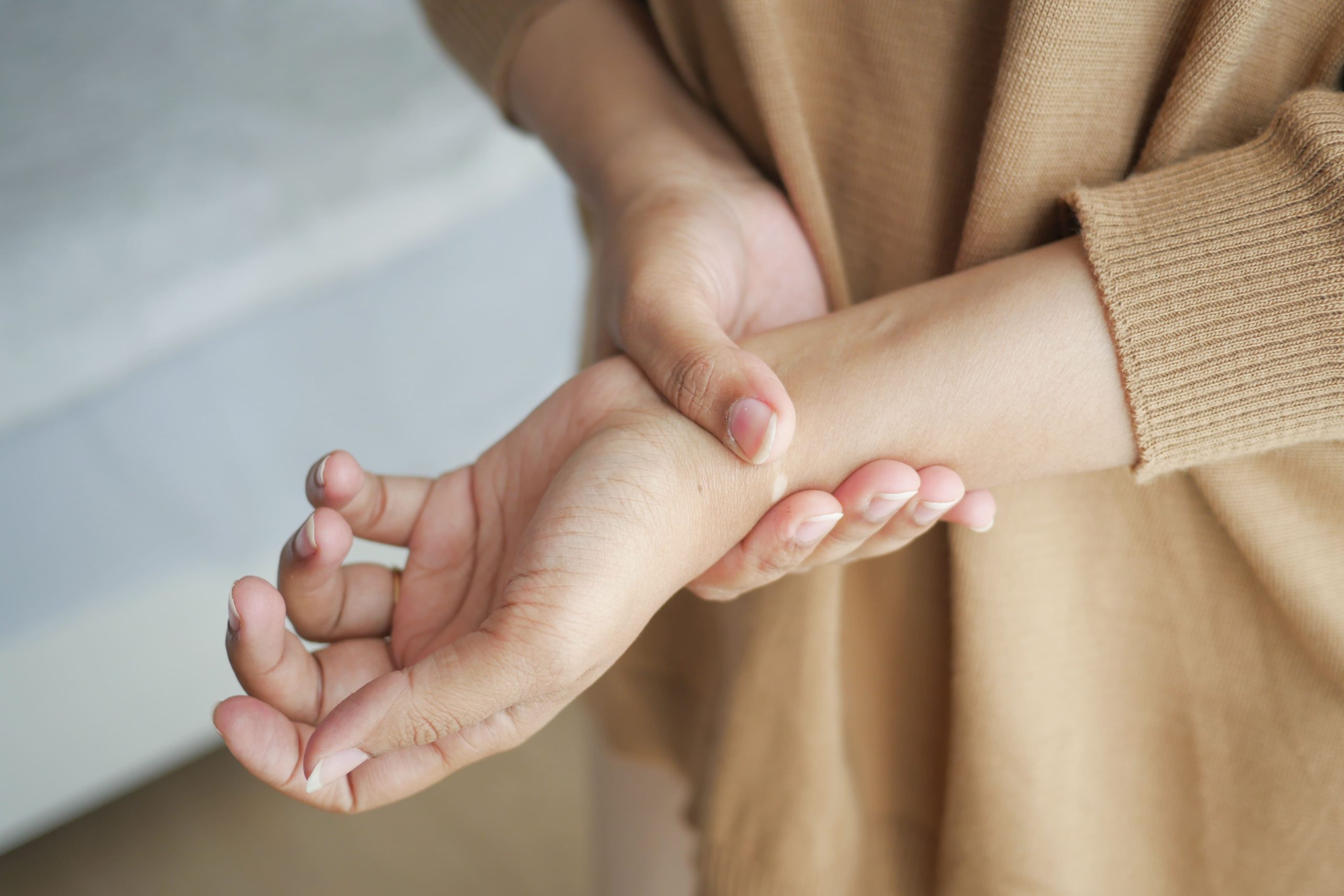
De Quervain’s tenosynovitis causes pain with gripping, pinching, and wrist rotation — and treatment costs range from a few hundred dollars for conservative care to several thousand for surgery. The condition develops when the synovial sheath (the protective covering) surrounding the abductor pollicis longus and extensor pollicis brevis tendons (two tendons that help move your thumb) becomes inflamed and thickened.
This narrowing creates friction during tendon movement, producing the characteristic pain at the radial styloid process (the bony bump on the thumb side of your wrist). Treatment costs correlate directly with disease severity, symptom duration, and your response to initial conservative measures.
Initial Consultation and Diagnostic Costs
Your first private specialist consultation typically ranges from $100 to $250, where a physical examination — including the Finkelstein test — typically supports a clinical diagnosis of De Quervain’s tenosynovitis. While the Finkelstein test is the most widely used and recommended clinical test, it is best used alongside patient history and other examination findings rather than as a standalone diagnostic tool. If clinical findings are unclear, ultrasound imaging adds $150 to $300 to assess tendon thickening, while X-rays may be ordered for $50 to $100 to rule out bony abnormalities. Although rarely necessary, complex cases requiring detailed soft tissue evaluation via MRI can cost between $500 and $1,200.
Conservative Treatment Expenses
Splinting and Bracing
Thumb spica splints immobilise the wrist and thumb to reduce tendon irritation, with off-the-shelf options costing between $30 and $80. For a superior fit, custom-fabricated thermoplastic splints from hand therapists range from $80 to $200 and are often recommended for extended wear.
Hand Therapy Sessions
Individual sessions with trained hand therapists typically cost between $80 and $150 at subsidised public hospital outpatient settings, or between $180 and $350 at private physiotherapy clinics, depending on the provider and type of treatment. Sessions focus on specialised techniques such as tendon gliding and ergonomic modifications. The number of sessions required varies depending on symptom severity and your response to treatment — your hand therapist will tailor a programme accordingly.
Corticosteroid Injections
Targeting the inflamed tendon sheath, these anti-inflammatory injections cost $150 to $400 per session and often provide significant symptom relief. While one or two injections often provide long-term relief or resolution of symptoms, patients should be aware of potential side effects including skin hypopigmentation (lightening), subcutaneous fat atrophy, infection, superficial radial nerve neuritis, and in rare cases, tendon rupture of the APL or EPB tendons. Skin changes can sometimes be persistent rather than temporary and may be more noticeable in patients with darker skin tones. These risks should be discussed with your doctor as part of the informed consent process.
Surgical Treatment Costs
Surgical release is typically considered when symptoms significantly impair daily life or persist after three to six months of conservative care. Based on 2023 actual transacted bills, private hospital day surgery typically costs $6,720 to $8,967 (median $7,868), inclusive of GST and before MediSave and insurance payouts. Private clinic settings show a median of $5,384 (range: $4,882–$6,259).
Surgery Fees Breakdown
- Surgeon’s professional fees: $2,300 to $4,100 (excluding GST), or $2,507 to $4,469 including GST, based on the recommended fee benchmark for private sector surgeon fees.
- Facility fees: $800 to $2,000 for use of the operating theatre, sterile equipment, and nursing support.
- Anaesthesia charges: $600 to $900 (excluding GST), or $654 to $981 including GST, based on the recommended anaesthetist fee benchmark.
- Surgical consumables: $200 to $500 for sutures, dressings, and disposable instruments.
Day surgery centres generally charge less than hospital-based operating theatres.
Public Hospital Options
Subsidised Singapore Citizens typically pay between $550 and $1,258 (median $770) for De Quervain’s day surgery at public hospitals, based on 2023 transacted bills. Unsubsidised patients at public hospitals typically pay approximately $2,177 to $3,071 (median $2,825). Permanent Residents receive partial subsidies at reduced rates compared to Citizens. Waiting times for elective conditions at public institutions vary from several weeks to a few months.
Post-Surgical Recovery Expenses
Follow-up Consultations
Wound checks occur at 1 to 2 weeks post-surgery, with subsequent reviews at 4 to 6 weeks and 3 months. Each private follow-up consultation costs $80 to $150. The doctor removes sutures, checks wound healing, and evaluates your progress during these visits.
Rehabilitation Costs
Post-surgical hand therapy typically involves 4 to 6 sessions over 6 to 8 weeks. At subsidised public hospital outpatient settings, total rehabilitation costs typically range from $320 to $900. At private physiotherapy clinics, patients can expect to pay approximately $720 to $2,100 for a similar programme. Therapy addresses scar management, tendon gliding exercises, and graduated return to normal activities.
Medications and Supplies
Post-operative prescriptions including pain relief medications (analgesics) and anti-inflammatory medications cost $30 to $80. Dressing supplies for home wound care add $20 to $50.
MediSave and MediShield Life Usage
MediSave Withdrawal Limits
As of 2026, the MediSave surgical limit for a Table 3A procedure (TOSP SB805T) is up to $1,390 for the surgical component (covering surgeon, anaesthetist, and facility fees combined). For day surgery, an additional MediSave claim of up to $830 per day for ward charges is applicable. For approved hospital inpatient stays, MediSave covers up to $1,130 per day for the first two days and $400 per day thereafter.
MediShield Life Coverage
MediShield Life provides coverage for inpatient surgical treatment at public hospitals and restructured facilities. Deductibles and co-payment requirements apply. Review your policy terms to understand coverage limits specific to your plan tier.
Private Health Considerations
Employer-sponsored corporate health benefits may cover specialist consultations, diagnostic imaging (such as ultrasound or MRI), and surgical procedures depending on plan inclusions. Contact your human resources department to verify coverage scope before commencing treatment. Cash payment and instalment arrangements are available at most private clinics. Some facilities offer interest-free payment plans spanning 6 to 12 months for surgical fees.
Managing Your Treatment Budget
- Obtain itemised quotations from multiple providers before committing to surgery. Request a breakdown of professional fees, facility charges, and anticipated post-operative costs.
- Start with conservative measures when clinically appropriate. Splinting, activity modification, and steroid injection resolve symptoms for many patients without surgical intervention.
- Utilise public healthcare options if cost is a primary concern. Subsidised rates at public hospitals substantially reduce expenses for eligible patients.
- Maximise available benefits by understanding your MediSave withdrawal limits and any applicable health benefits through employment.
- Budget for rehabilitation as part of your total treatment cost. Hand therapy supports outcomes and may prevent the need for revision procedures.
When to Seek Professional Help
- Persistent thumb-side wrist pain lasting more than 2 to 3 weeks despite rest
- Difficulty gripping objects or performing pinch movements
- Visible swelling over the radial styloid (thumb-side wrist bone)
- Pain radiating into the thumb or forearm during hand activities
- Symptoms interfering with work duties or daily tasks
- Previous treatment elsewhere without adequate improvement
Commonly Asked Questions
How long does conservative treatment typically last before considering surgery?
Most hand surgeons recommend 3 to 6 months of conservative management — including splinting, activity modification, and at least one corticosteroid injection combined with immobilisation — before proceeding to surgery. Your doctor will set the timing based on your specific symptoms, how they affect your daily life, and how well you respond to initial treatments. Patients with severe symptoms or specific occupational demands may be considered for earlier surgical intervention.
Can I claim the full surgical cost from MediSave?
MediSave withdrawal limits cap the claimable amount regardless of actual surgical cost. De Quervain’s release (TOSP code SB805T, Table 3A) has a surgical procedure withdrawal limit of $1,390, covering surgeon, anaesthetist, and facility fees combined. An additional claim of up to $830 per day applies for day surgery ward charges. Remaining expenses may require out-of-pocket payment or coverage through MediShield Life or an Integrated Shield Plan.
Is bilateral De Quervain’s surgery possible in one session?
Yes, both wrists can be operated on simultaneously when indicated. This approach involves higher total cost but consolidates recovery time. Practical considerations include temporary bilateral hand weakness affecting daily activities during early healing.
What factors increase De Quervain’s treatment costs?
Anatomical variations requiring more complex surgery, need for revision procedures, complications requiring additional treatment, and choice of private versus public healthcare significantly influence total expenses.
How soon can I return to sports after surgery?
Most patients can resume light, low-impact activities within 2 to 3 weeks with their surgeon’s approval. Sports involving gripping, wrist loading, or impact — such as tennis, golf, or badminton — typically require 6 to 8 weeks before gradual return. Full competitive participation may take up to 3 months depending on individual healing and sport-specific demands.
Conclusion
Conservative management, including splinting, activity modification, and corticosteroid injections, effectively resolves De Quervain’s tenosynovitis for many patients at a much lower cost than surgery.
When surgical intervention is necessary, private facility fees are higher, though public hospital options offer more affordable rates for eligible patients through various subsidies and healthcare schemes. Regardless of the chosen path, it is essential to budget for post-operative hand therapy to ensure a successful functional recovery.
If you are experiencing persistent thumb-side wrist pain, difficulty gripping, or swelling over the radial styloid that has not improved with rest, consult a hand surgeon to determine whether conservative treatment or surgical release is appropriate for your condition.

Don't Let Hand Pain Affect Your Life
Restore Function and Improve Your Quality of Life
Our clinic provides a comprehensive, one-stop service for diagnosis and treatment.
Make An Enquiry